Bangalore Metro Expansion Impact on Property: What Buyers Should Know
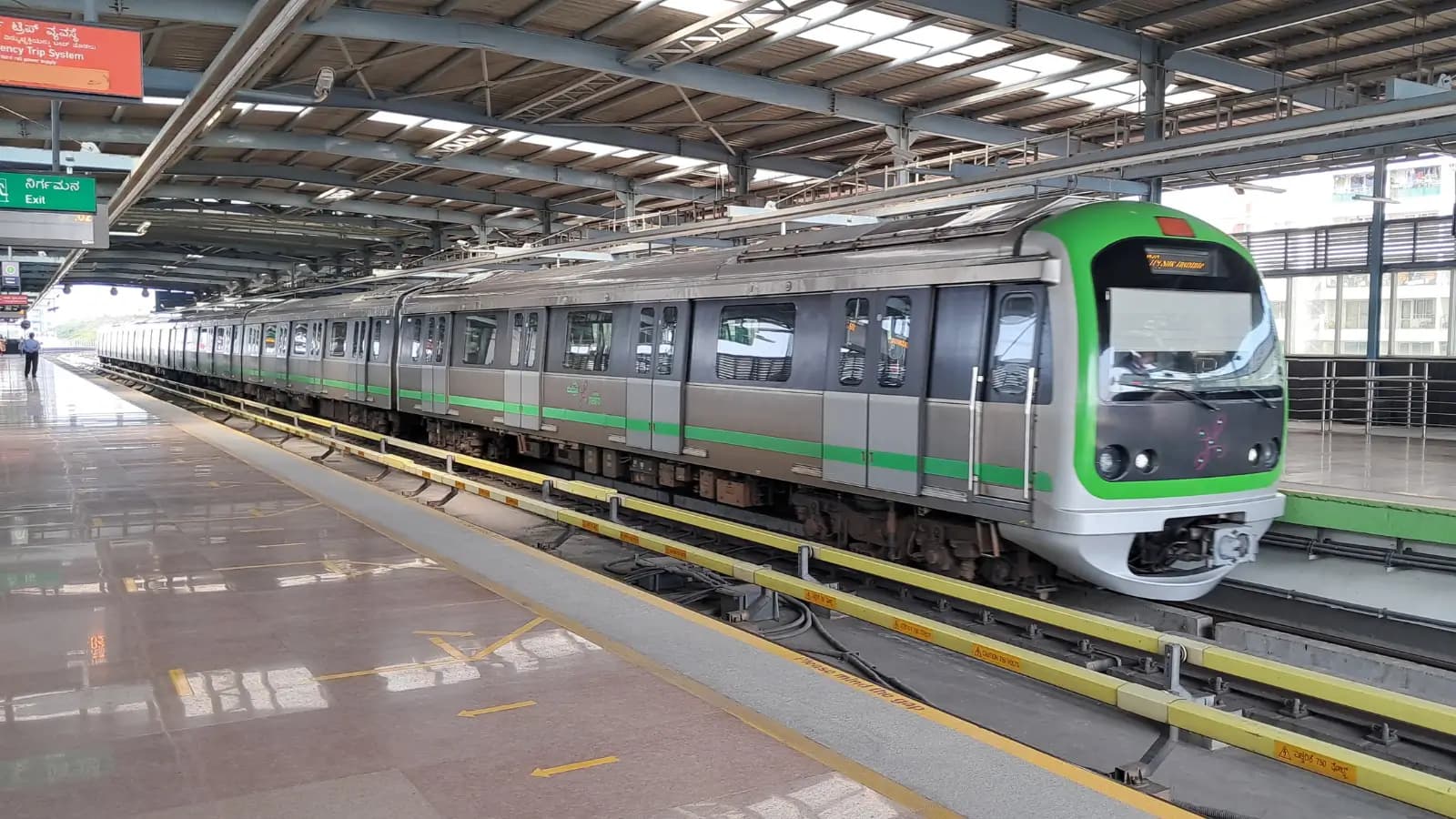
Bangalore metro expansion impact on property: how new lines shape demand, what Phase 3 covers, and how to judge a home's distance to a station. Explore
Few infrastructure projects change Bengaluru's property map as visibly as the metro does. This guide looks at the Bangalore metro expansion impact on property from a buyer's practical point of view: how rail links shape demand over time, what the next phase covers, and how to judge the real value of a station for a specific home. Throughout, we use the Purple Line terminus at Kadugodi, about 8.2 km from the Embassy Whitefield site, as a working example. See the location section on our homepage for nearby stations and distances.
How the Metro Shapes Demand
A metro line widens the area within a reasonable commute of offices, shops, and services. Homes near stations become easier to reach without a car, and areas further out become practical for people who combine a short drive with a train ride. Over time, that wider reach can support demand along the route.
In the east, the Purple Line now runs to Kadugodi, linking the Whitefield belt with KR Puram, Indiranagar, and MG Road. Pattandur Agrahara station near ITPL is about 8.3 km from the Embassy Whitefield site, and Kadugodi about 8.2 km.
Stations also tend to attract shops, offices, and services around them, which adds to the convenience of living nearby. That growth usually happens gradually, over the years after a line opens.
Metro Phase 3 Bangalore: What It Covers
Metro phase 3 Bangalore plans were approved in 2024 and add two new corridors. The first runs from J P Nagar 4th Phase to Kempapura along the western side of the Outer Ring Road, and the second from Hosahalli to Kadabagere along Magadi Road. Both serve the west and south-west of the city rather than the eastern belt.
For buyers in East Bangalore, Phase 3 matters mainly through the wider network: more connections make the whole system more useful, including the Purple Line that serves Whitefield. Check official updates from the metro authority for current timelines, since dates for large projects often move.
Network effects matter more than any single line. Each new corridor adds connections, so a resident at the eastern end of the Purple Line can reach more of the city with fewer changes as the network grows.
Line | Route | Relevance to East Bangalore |
|---|---|---|
Purple Line (operational) | Kadugodi to the city centre and beyond | Direct; Kadugodi ~8.2 km from the site |
Phase 3, Corridor 1 | J P Nagar 4th Phase to Kempapura, ORR west | Indirect; wider network |
Phase 3, Corridor 2 | Hosahalli to Kadabagere, Magadi Road | Indirect; wider network |
Property Near Metro Appreciation
Property near metro appreciation is a common talking point, and the logic is sound: homes with easy rail access tend to appeal to more buyers and tenants. The effect is usually strongest within walking distance of a station and weaker further away. It also builds gradually as a line opens and ridership grows.
Price data for Whitefield shows the pattern. Metro-adjacent towers from established developers start at about Rs 16,500 per sft, against a Whitefield average of about Rs 16,000 per sft in 2026. Treat that difference as a guide rather than a rule, since many other factors affect each home's price.
Noise and crowds are the trade-off for homes right beside a station. Many buyers prefer a short drive or walk away, close enough for convenience but far enough for calm.
Bangalore Metro Expansion Impact on Property Further Out
Homes a short drive from a station gain a different benefit. They usually offer more space and lower density than homes beside the station, while still giving residents a rail option for trips into the city. At Embassy Whitefield, that means 17.8 acres with about 75% open space, about 8.2 km from Kadugodi.
Road links complete the picture. NH-648, part of the Satellite Town Ring Road, gives the site a north–south highway route, and our guide to the distance to Whitefield metro explains how residents can combine road and rail day to day.
Parking at the station matters for park-and-ride users. Check what parking and drop-off options exist at Kadugodi before you plan a daily routine around it.
Judging a Station's Value for You
Ask how often you will use the metro, for which trips, and how you will reach the station. A station you will use daily is worth more to you than one you will use occasionally. Our guide to the suburban rail plan for Whitefield covers another rail project in the area, and our team can include the drive to Kadugodi in your site visit.
Weigh rail access alongside space, setting, and price, rather than paying a large premium for a station you rarely use.
A household that drives most days may value highway access more than a station, while one that commutes into the city centre may value the reverse.
Neither choice is wrong; the right one depends on your routine.
FAQs
Which metro station is closest to Embassy Whitefield?
Whitefield (Kadugodi) on the Purple Line, about 8.2 km by road.What does Metro Phase 3 cover?
Two corridors: J P Nagar 4th Phase to Kempapura along the western ORR, and Hosahalli to Kadabagere along Magadi Road.Does Phase 3 serve East Bangalore directly?
No. It serves the west and south-west, though a larger network benefits all lines.Do homes near the metro cost more?
Often. Metro-adjacent towers in Whitefield start at about Rs 16,500 per sft, against an average of about Rs 16,000.Can I test the metro commute before buying?
Yes. Ask our team to include the station drive in your visit.
Continue Reading
Related Articles

What Is Driving Bangalore Real Estate Growth in 2026?
What is driving Bangalore real estate growth? Jobs, transport, land supply, and buyer demand explained, with Whitefield as an example. Explore the drivers
Whitefield IT Corridor Impact on Housing Demand: The Link Explained
Whitefield IT corridor impact on housing demand: how offices at ITPB, the EPIP Zone, and Brookefield shape buying and renting. Explore the link

Global Capability Centres Impact on Bangalore Housing: What It Means
Global capability centres impact on Bangalore housing: how GCC hiring shapes demand for homes to rent and buy in corridors like Whitefield. Explore it

Hoskote Industrial Area Growth: What It Means for Nearby Homes
Hoskote industrial area growth: how industry and logistics north of Whitefield shape jobs, traffic, and housing nearby. Explore what it means for buyers